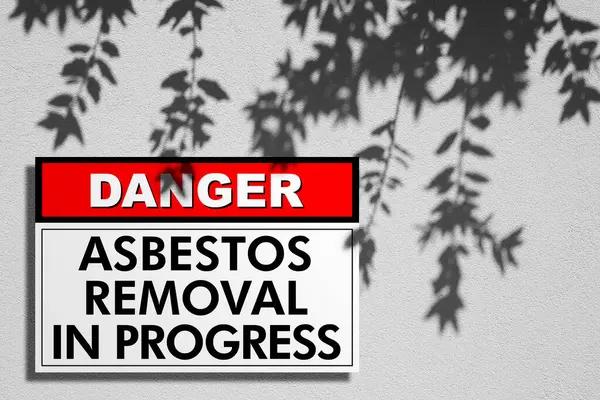
Before undertaking any demolition project, ensuring the safety of all individuals involved and the surrounding environment is paramount. One critical step in this process is conducting asbestos testing. Asbestos, a group of naturally occurring minerals once widely used in construction materials for its durability and heat resistance, has been linked to severe health risks when its fibers are inhaled or ingested. These fibers can become airborne during demolition activities, posing significant dangers if not properly managed.
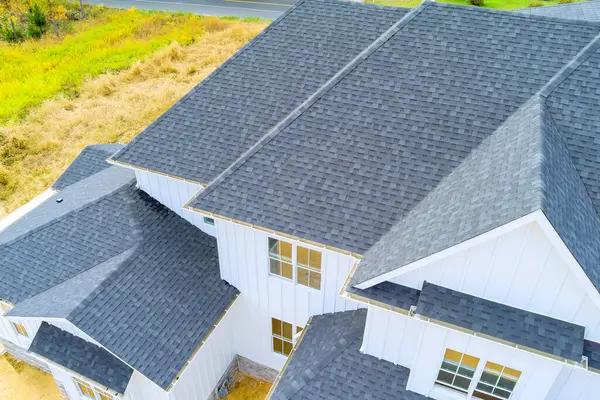
Asbestos-containing materials (ACMs) were commonly used in buildings constructed before the 1980s. They can be found in insulation, roofing shingles, floor tiles, ceiling panels, adhesives, and other building components. While intact ACMs may not immediately pose a threat under normal conditions, demolition activities disturb these materials and release microscopic asbestos fibers into the air. These fibers are invisible to the naked eye but can remain suspended for hours or even days after being disturbed.
Inhalation of asbestos fibers has been directly associated with serious illnesses such as mesothelioma—a rare form of cancer—lung cancer, asbestosis (a chronic lung disease), and other respiratory complications. The latency period for these diseases is often decades long; thus, exposure today could have life-altering consequences years down the line. To prevent such risks during demolition projects, thorough Asbestos Survey vs. Asbestos Risk Assessment: What Property Owners Must Know be conducted beforehand.
Asbestos testing involves professional inspectors collecting samples from suspected ACMs within a structure and analyzing them in accredited laboratories to determine their presence and concentration levels. If asbestos is detected during this assessment phase, proper abatement procedures must follow before demolition begins. Licensed professionals use specialized equipment to safely remove or encapsulate ACMs according to strict regulatory guidelines designed to protect workers’ health and minimize environmental contamination.
Failing to conduct asbestos testing before starting a demolition project not only endangers human lives but also carries legal repercussions. Many countries have stringent regulations requiring property owners and contractors to identify ACMs prior to commencing work on older structures. Non-compliance can result in hefty fines or lawsuits while jeopardizing public safety.
Ultimately, investing time and resources into pre-demolition asbestos testing ensures that projects proceed responsibly while safeguarding everyone involved—from construction crews working onsite to nearby residents who might otherwise face exposure risks from improperly handled debris.