Attic insulation plays a crucial role in maintaining indoor temperatures and managing energy bills. It is an essential aspect of home construction that can significantly affect the comfort level inside your house, particularly during extreme weather conditions.
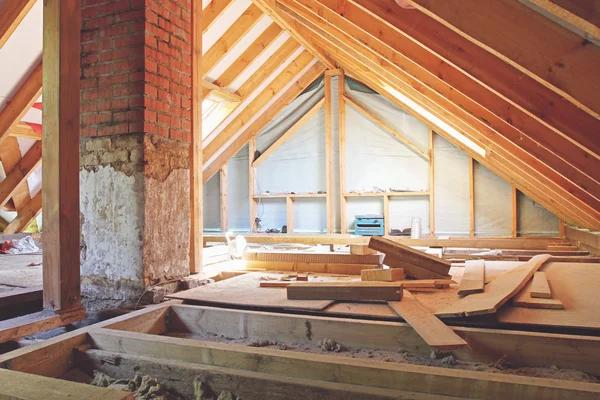
Insulation works by reducing the amount of heat that escapes from your home during winter and preventing heat from entering your house during summer. The attic is often the primary source of heat transfer in homes because it directly interfaces with outdoor temperatures. If not properly insulated, it can allow hot or cold air to easily infiltrate into your living space, causing discomfort and requiring more energy to maintain desired indoor temperature levels.
During colder months, heated air naturally rises due to its lower density compared to cold air. Without adequate attic insulation, this warm air can escape through the roof, leading to significant heat loss. Consequently, heating systems have to work harder and consume more energy to compensate for this loss, resulting in higher energy bills.
In contrast, during warmer months when outdoor temperatures are high, an uninsulated or poorly insulated attic becomes extremely hot due to direct exposure to sunlight on the roof. This intense heat can then radiate down into living spaces below making them uncomfortably warm. To combat this excessive warmth, cooling systems such as air conditioners need to operate at higher capacities for longer periods which again translates into increased energy consumption and higher utility bills.
Properly installed attic insulation acts as a barrier against both these scenarios – keeping warm air inside during winters and blocking out excessive heat in summers. By doing so it helps maintain a stable temperature within your home regardless of external climatic conditions thus ensuring comfort throughout the year while minimizing reliance on heating and cooling systems.
Furthermore, investing in good quality attic insulation also contributes towards environmental conservation by reducing carbon emissions associated with excessive use of electricity for heating or cooling purposes.
The type of material used for insulation also matters greatly; some materials have better insulating properties than others but might be pricier. Homeowners must balance their budget with the insulation’s long-term benefits, considering that better insulation can lead to significant savings on energy bills over time.
In conclusion, attic insulation is not just about maintaining comfort within your home; it has a direct impact on your energy consumption and thus your monthly utility bills. By ensuring proper attic insulation, you can enjoy a comfortable indoor climate throughout the year while also making substantial savings on your energy costs. Moreover, by reducing energy consumption, you are also playing your part in conserving the environment.